50+ Distressed Mardi Gras Backgrounds: Bold Design Assets
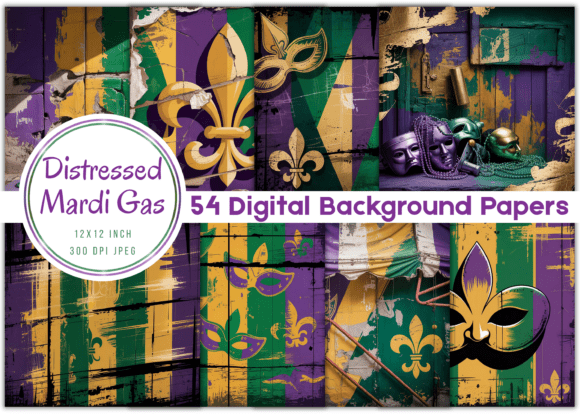
The energy of Mardi Gras is unmistakable—a riot of color, movement, and unapologetic celebration. Translating that feeling into a design project requires more than just a purple, green, and gold color palette. It demands texture, history, and a sense of lived-in authenticity. This is precisely where a robust collection of 50+ Distressed Mardi Gras Backgrounds becomes an invaluable asset for any creative professional. These aren't just flat color swatches; they are layered, textured files that carry the weathered, vintage character of a well-loved parade banner or a faded French Quarter sign.
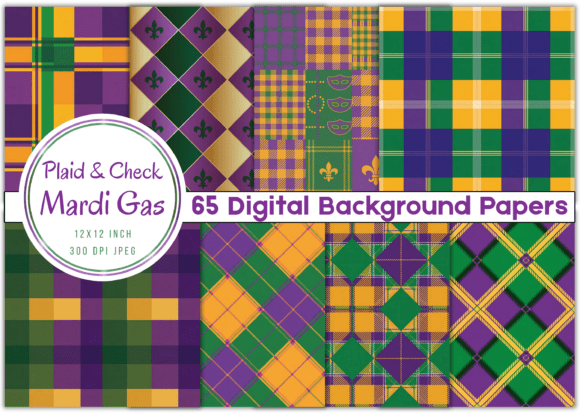
Visually, this collection leans into a specific aesthetic: distressed. Think of the subtle cracks in old paint, the uneven ink absorption on aged paper, the faded edges of a fabric that has seen many festivities. Each of the 54 digital backgrounds in this set embodies that worn, tactile quality. The personality is nostalgic yet vibrant, rustic yet celebratory. It’s the visual equivalent of jazz—improvised, textured, and deeply rooted in culture. The overall appeal lies in its versatility; the distressed effect softens the often-bold Mardi Gras colors, making them usable for projects that need a touch of festivity without overwhelming the viewer.
Where Texture Meets Tradition: Practical Applications
Understanding where these design assets shine is key to leveraging their full potential. Their strength lies in adding depth and a handcrafted feel to digital and print media. For brand identity and logo design, a distressed background can frame a wordmark, giving a bakery, bar, or event planning business an instant sense of history and authenticity. It suggests a brand that is established, warm, and full of character. In packaging design, particularly for food, beverage, or artisan goods, these textures can evoke a homemade, premium quality, differentiating a product on a crowded shelf.
The applications extend far beyond branding. Consider the impact in editorial design and publishing. A blogger writing about Southern cuisine, travel, or cultural festivals can use these backgrounds as website headers or article feature images to instantly set the mood. For social media managers and content creators, these files are a shortcut to creating engaging, on-brand social media graphics that stop the scroll. They work beautifully as backgrounds for text overlays, quote cards, or promotional announcements for Mardi Gras sales or events. Even crafters and hobbyists will find them perfect for creating unique party invitations, scrapbook pages, or printable wall art that feels genuinely festive.
Integrating Distressed Textures into Your Design Workflow
Simply having a great asset isn't enough; knowing how to use it effectively is what separates good design from great design. When incorporating these Mardi Gras backgrounds, think about visual hierarchy. The texture should support your message, not compete with it. Pair a busy, heavily textured background with clean, bold typography. A strong sans serif font or a simple serif font will maintain readability against the visual noise of the distressing. This contrast creates a dynamic and professional layout where the background adds personality and the foreground delivers the information clearly.
Font pairing is critical here. Avoid pairing these backgrounds with overly delicate script fonts or highly detailed handwritten fonts, as the intricate details of the type can get lost in the texture. Instead, opt for typefaces with solid forms and ample weight. This principle applies across web design, print materials, and digital ads. The goal is to let the distressed texture inform the mood while ensuring your core message—the headline, the call to action, the key information—remains the focal point. This balance is fundamental to good modern typography and effective communication.
Choosing and Evaluating Your Design Assets
When selecting a resource like the 50+ Distressed Mardi Gras Backgrounds collection, a practical evaluation is necessary. First, consider the technical specifications. The provided details are a designer's checklist for quality: a size of 12x12 inches, a resolution of 300 DPI, and dimensions of 3600x3600 pixels. This combination ensures the files are high-quality, print-ready. Whether you're designing a large-format poster or a small digital ad, the resolution will hold up without pixelation. The JPG format is universally compatible and efficient for web use, though for complex layering in software like Photoshop, you might convert them to a format that supports transparency if needed.
The "seamless and repeatable" quality is another crucial feature for any creative font or background asset. This allows you to tile the texture to cover any size area without visible seams, which is essential for creating consistent patterns in packaging design or full-bleed prints. Before committing to a large project, always test the asset. Place your intended text over several different backgrounds from the collection to see which texture level and color variation best complements your typeface and overall design concept. This testing phase is where you ensure the asset enhances your project's professionalism and aligns with the desired brand perception.
Finally, for any professional work, always verify the commercial licensing. A reputable asset will come with clear terms outlining permitted uses for both personal and commercial projects. This protects you and your clients and ensures you are using the design assets ethically. With over 50 options, this collection provides ample variety to maintain a cohesive yet interesting look across multiple pieces of a campaign or brand rollout, helping to build brand recognition and audience engagement through a consistent, textured visual language.