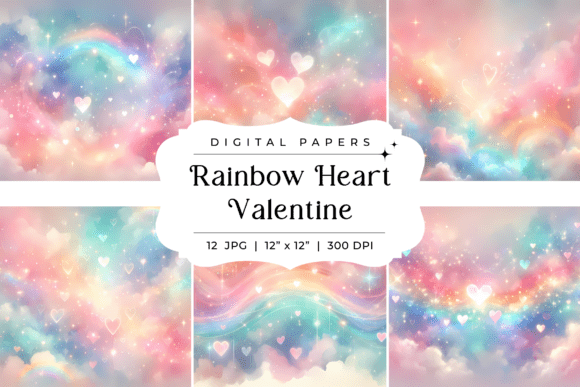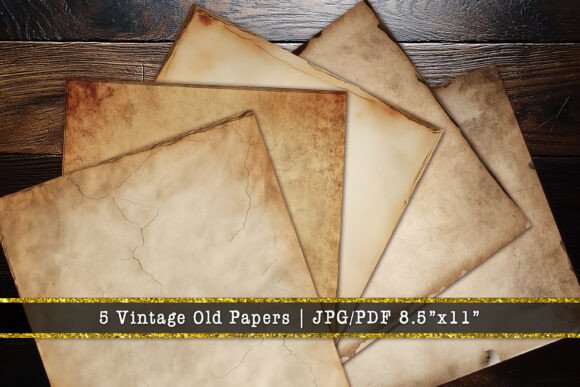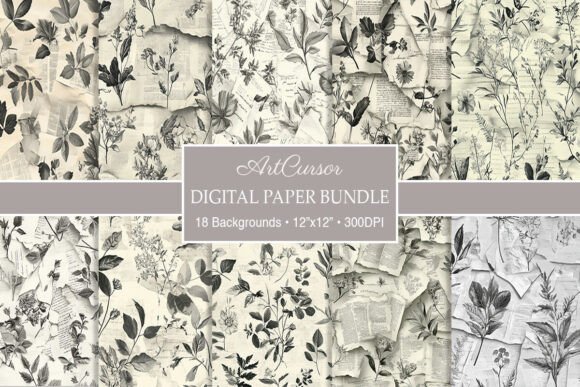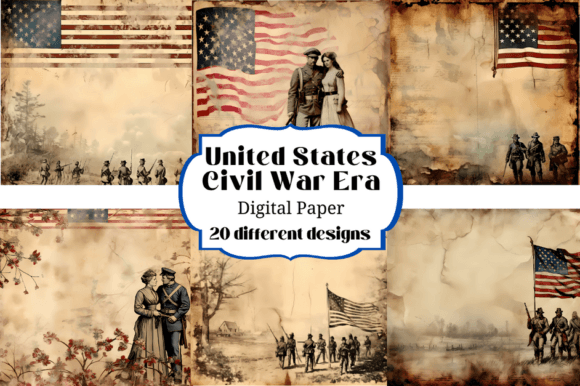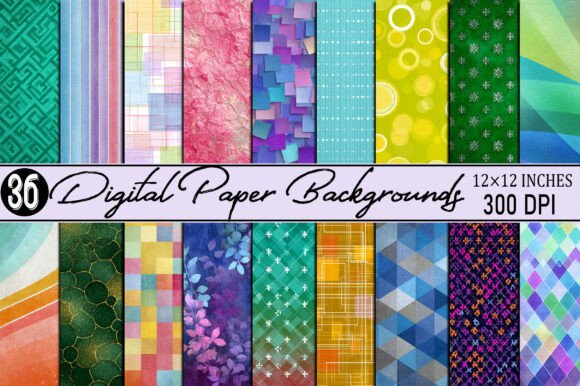
Unlock Creative Potential with Digital Paper Backgrounds
In the world of design, the foundation of a project often determines its success. A striking image or a powerful headline can fall flat if the background is generic or uninspired. This is where high-quality Digital Paper Backgrounds become an essential part of a creator's toolkit. They provide the texture, color, and visual interest needed to make your work stand out, whether you're designing a product for your small business or crafting a personal gift.
The Anatomy of a Quality Digital Asset
This specific collection offers 36 distinct PNG files, each sized at a generous 12x12 inches and rendered at 300 DPI. For those who work with print-on-demand services or create physical products, these specifications are non-negotiable. The 300 DPI resolution ensures that when you move from screen to print, your designs remain crisp and professional. There is no pixelation or loss of clarity, which is critical for maintaining a professional brand identity. The 12x12 inch format is particularly versatile, offering ample space for various design applications without the need for constant resizing.
The visual appeal of these backgrounds lies in their ability to add depth and personality without overwhelming the main content. They act as a silent partner in your design, supporting the foreground elements rather than competing with them. This balance is key in editorial design and packaging design, where readability and visual hierarchy are paramount. A well-chosen background can guide the viewer's eye, create a specific mood, and establish a consistent aesthetic across multiple pieces of content.
Practical Applications Across Industries
The true value of Digital Paper Backgrounds is realized in their application. For entrepreneurs and small business owners, these assets are a game-changer for creating cohesive marketing materials. Imagine designing a series of social media graphics where each post shares a common textural element, or creating product mockups that look consistent and professional. This consistency builds brand recognition and trust with your audience.
For crafters and hobbyists, the possibilities are equally exciting. These backgrounds are perfect for creating custom invitations, scrapbook pages, or framed art prints. The high resolution makes them ideal for printing on various surfaces, from standard cardstock to specialty papers. You can use them to design unique T-shirt graphics, create eye-catching stickers, or add a personalized touch to mugs and bags. The fact that these are digital files means you can use them repeatedly across countless projects, offering exceptional value.
Integrating Backgrounds into Your Design Workflow
Choosing the right background from a collection like this involves more than just picking a favorite color. Consider the overall tone of your project. Are you aiming for a rustic, handmade feel or a clean, modern look? The personality of the background should align with the message you want to convey. For a minimalist brand, a subtle texture might work best. For a vibrant, youthful brand, a bolder pattern could be more appropriate.
When integrating these assets, think about font pairing. A busy, detailed background will pair best with a simple, clean sans serif font to ensure legibility. Conversely, a more uniform background might allow for a more decorative script font or handwritten font. Always test your text over the background at the intended size to check for readability. This step is crucial in web design and social media graphics, where content is often viewed on small screens.
Another practical tip is to use these backgrounds as layers. In design software, you can adjust the opacity, apply blending modes, or add color overlays to make the background uniquely yours. This allows a single file to yield multiple variations, increasing the utility of your asset library. For logo design or brand identity projects, using a textured background as a subtle element can add a tactile quality to digital presentations, making them feel more grounded and real.
Making an Informed Purchase Decision
When evaluating a set of design assets, it's important to look beyond the quantity. While 36 files offer good variety, the quality and usability are what matter most. Check the file formats provided. PNGs are excellent for their transparency capabilities and broad compatibility. Ensure the resolution meets your project needs; 300 DPI is the standard for professional printing.
Consider the licensing terms. This collection is described as a digital instant download, meaning you receive the files immediately after purchase. Verify that the license allows for commercial use if you plan to sell the products you create with these backgrounds. Understanding the terms upfront prevents legal issues down the line and is a mark of a professional creative.
Finally, think about how these new assets will fit into your existing collection of premium fonts and design assets. A strong design library is curated, not just accumulated. These Digital Paper Backgrounds should complement the tools you already use, filling a specific need for texture and pattern in your work. By approaching your purchase with a strategic mindset, you invest in tools that will genuinely enhance your creative output and professional projects.